Off-Ball Movement: How a Perimeter Player Learns to Create Smart Space on the Court
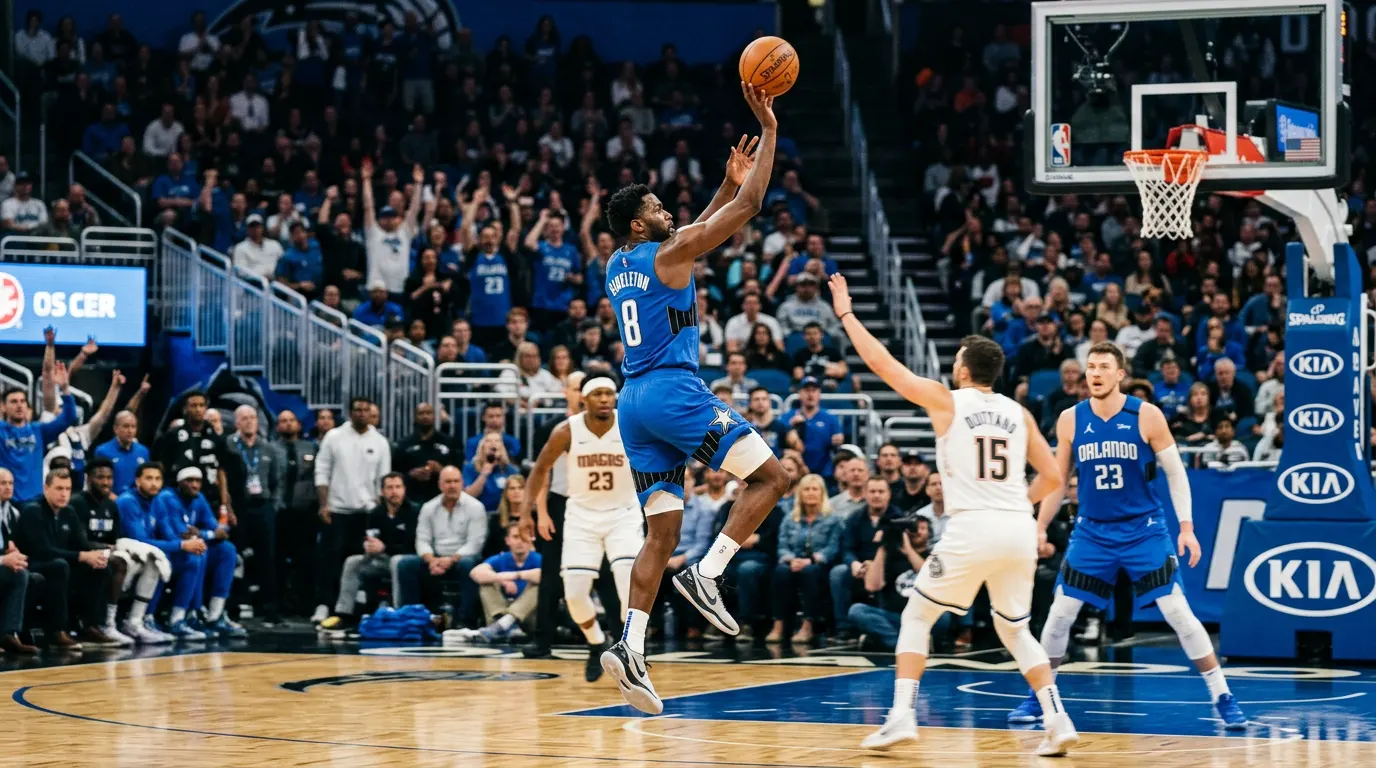
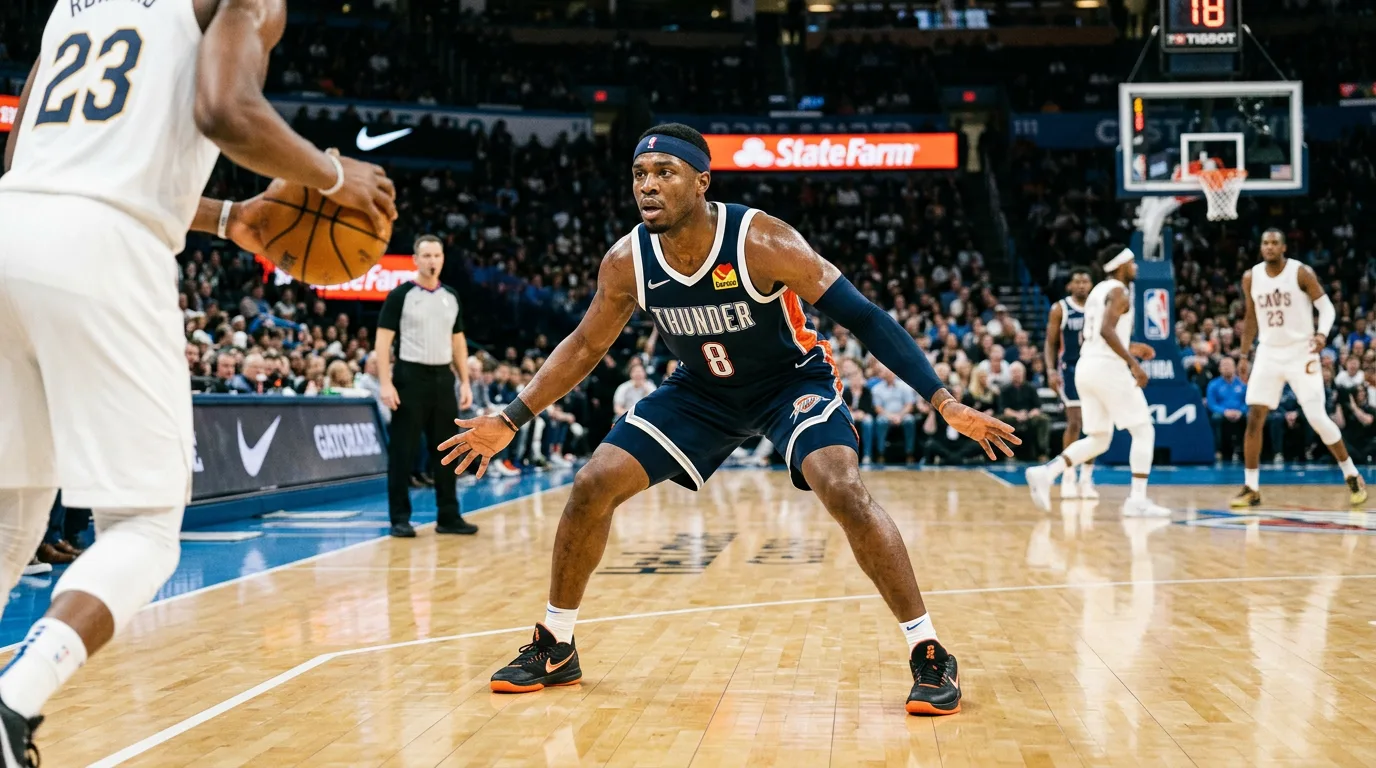
Many young perimeter players disappear from the scene the moment they pass the ball, turning into "spectators" of the offense. In modern basketball, the real value of a perimeter player shows in their off-ball movements, and how they open space for themselves and their teammates before the pass reaches them.
In this article from Apex Sport Academy we put in the hands of coaches and young players a simple framework for understanding spacing, basic cut types, and practical drills for teaching smart off-ball movement in youth age groups.
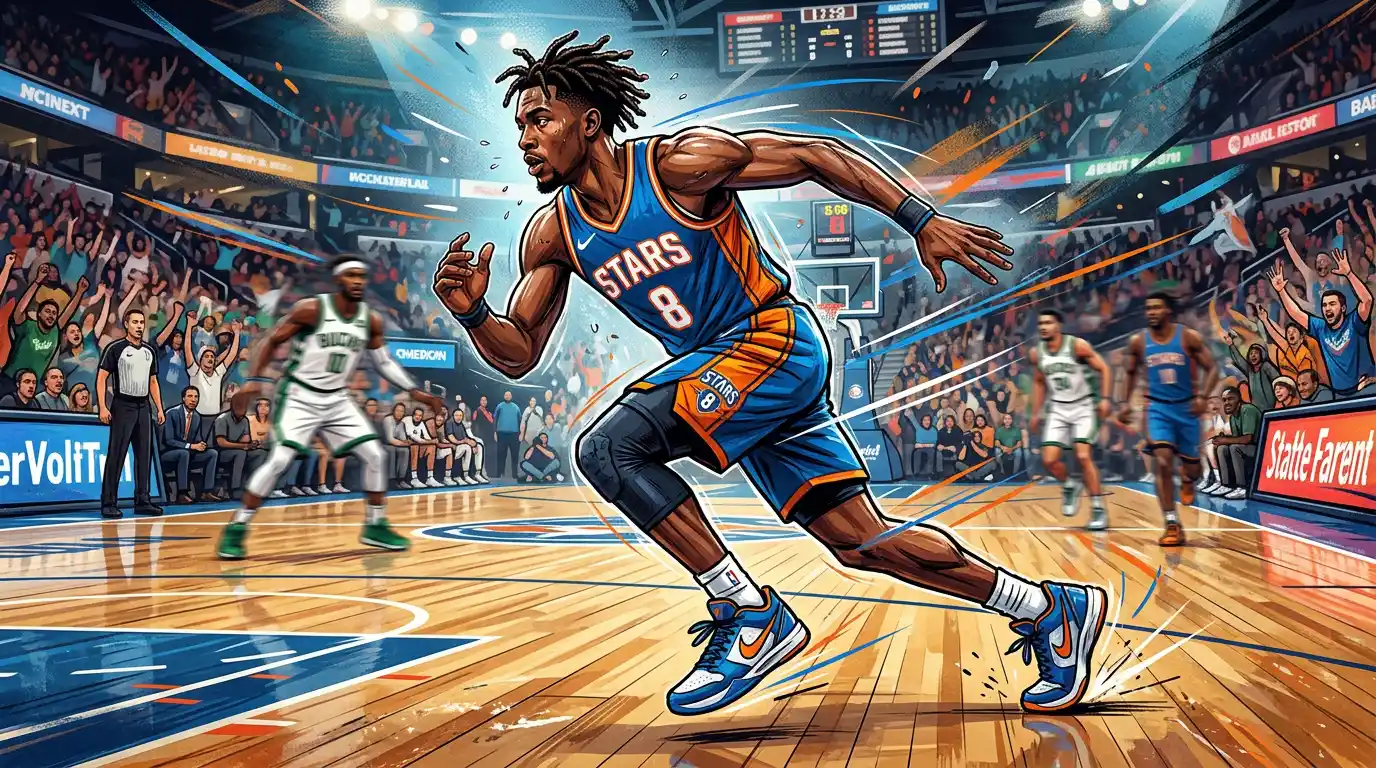
Space is more important than the ball
A player who masters off-ball movement creates opportunities even when they rarely touch it.
Why Off-Ball Movement Is the Modern Perimeter Player's Weapon
In most offenses, a young perimeter player spends more than 70% of the time without the ball in their hands. If we consider these periods mere "rest," we lose the most important opportunity to impact the defense. Smart off-ball movement changes passing angles, forces the defense to rotate, and opens space for drives or shots from another side.
We teach young players three simple principles:
- Don't stay stationary for more than two seconds in the same spot unless you are threatening to shoot.
- Avoid crowding: If two teammates get close to each other for no reason, one of them goes somewhere else.
- Read the defender's eyes: If they turn their head away from you, think about a sudden cut toward the basket.
Spacing Principles and Safe Distances for Young Players
The young player doesn't need to memorize complex tactical diagrams, but rather a simple sense of space: where should they stand relative to the ball, the basket, and their teammates? The academy uses the concept of "safe triangles" around the arc: the two corners, the wings, and the top of the arc.
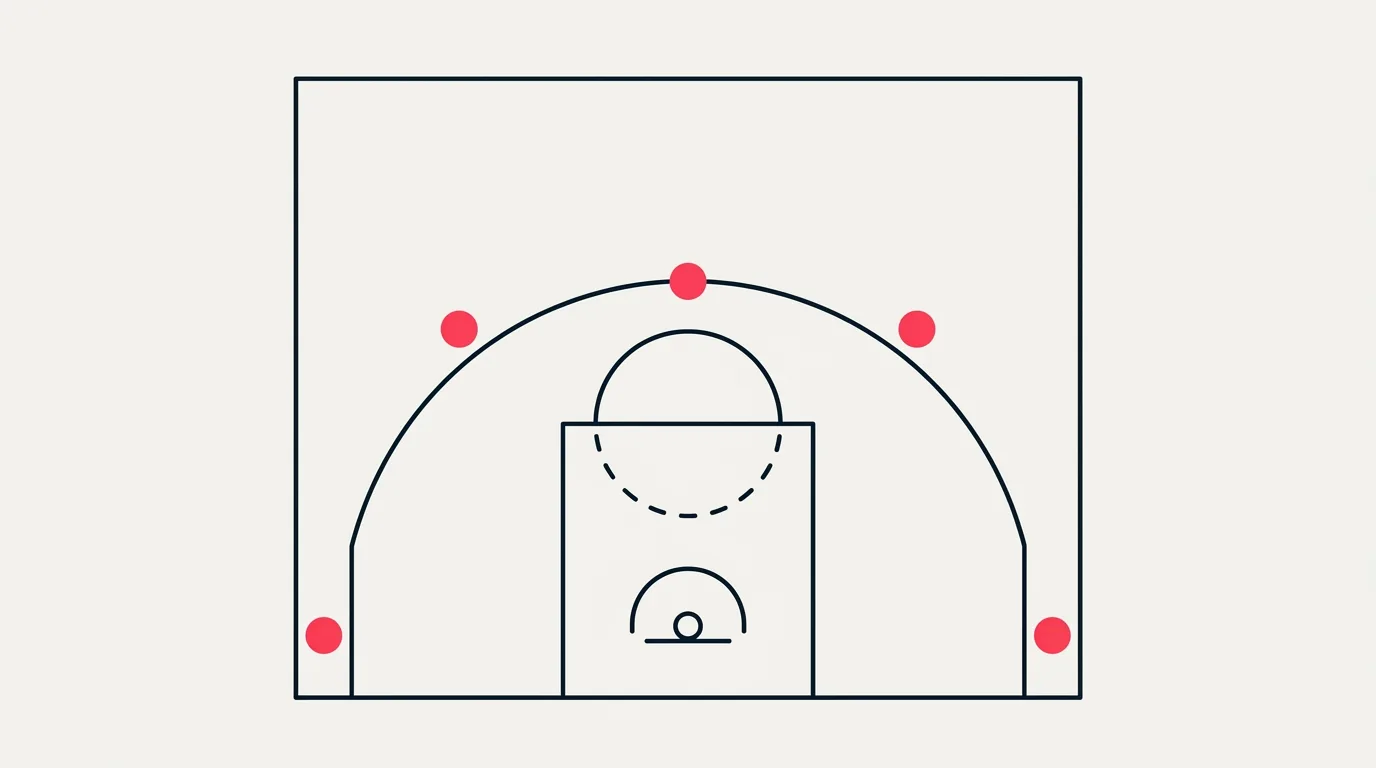
We explain to young players rules such as:
- If your teammate is driving from the wing, move to the corner to open a passing lane and spread the defense.
- If another player comes to your spot, don't crowd; one of you changes level (up or down).
- Try to maintain a distance of 3–4 meters between you and the nearest teammate on the ball side.
Basic Cut Types (Backdoor, Curl, Fade) for Young Players
Instead of loading young players with dozens of names, we focus on three main cut types that can be applied in most offensive systems:
- Backdoor: When the defender is pressing you near the line, you use their direction against them and suddenly cut behind their back toward the basket.
- Curl: When using a screen around the arc, you curl toward the basket if the defender follows you tightly around the screen.
- Fade: If the defender tries to cut you off inside the arc, you move away to the corner or perimeter instead of crowding inside.
Practical Off-Ball Movement Drills: 2v2 and 3v3
The best way to solidify off-ball movement concepts is small-sided game situations with specific guidelines. Explaining cuts theoretically is not enough; the player must feel the space, timing, and a real defender.

Two Simple Examples of 2v2 and 3v3 Situations
- 2v2 from one side: A player with the ball and an off-ball perimeter player against two defenders, focusing on the timing of cuts from the wing to the basket or corner.
- 3v3 with the "no standing still" rule: The perimeter player is not allowed to stay in the same spot for more than two seconds, forcing them to constantly search for new spaces.
Teaching Players the Difference Between Staying in the Corner and Moving into Space
One of the hardest decisions for a young perimeter player is: when to stay in their position to maintain spacing, and when to cut inside the arc or to another side. We use simple questions to help them decide:
- Is the defender looking at you or at the ball? If they turned their head away, cutting is a strong option.
- Is there already a teammate in the area you're thinking of going to? If yes, it's better to stay.
- Does the player with the ball have an open drive lane? If yes, move away to open a passing and shooting angle.
Notice Regarding Tactical Complexity Level by Age
Off-ball movement is a tactical concept that can be complex if presented all at once to young players. The number of rules should be simplified according to age and level of understanding, focusing in each period on one or two principles only, rather than trying to teach all cut types and spacing in a single season.
Conclusion: The Smart Perimeter Player Moves to Create the Game Before the Ball Reaches Them
When a young perimeter player realizes that their impact on the offense is not tied only to the number of touches, but to the quality of their movement, their entire playing style changes. They become calmer, less rushed for the ball, and more aware of their teammates and the defense.
At Apex Sport Academy we make sure to integrate off-ball movement concepts gradually within training situations, rather than treating them as a separate part. This way, smart movement becomes an automatic habit for the player, not just an idea they remember when they hear the coach shouting from the sideline.