Reading Defense from the Perimeter: Quick Decision-Making for Youth Basketball Players
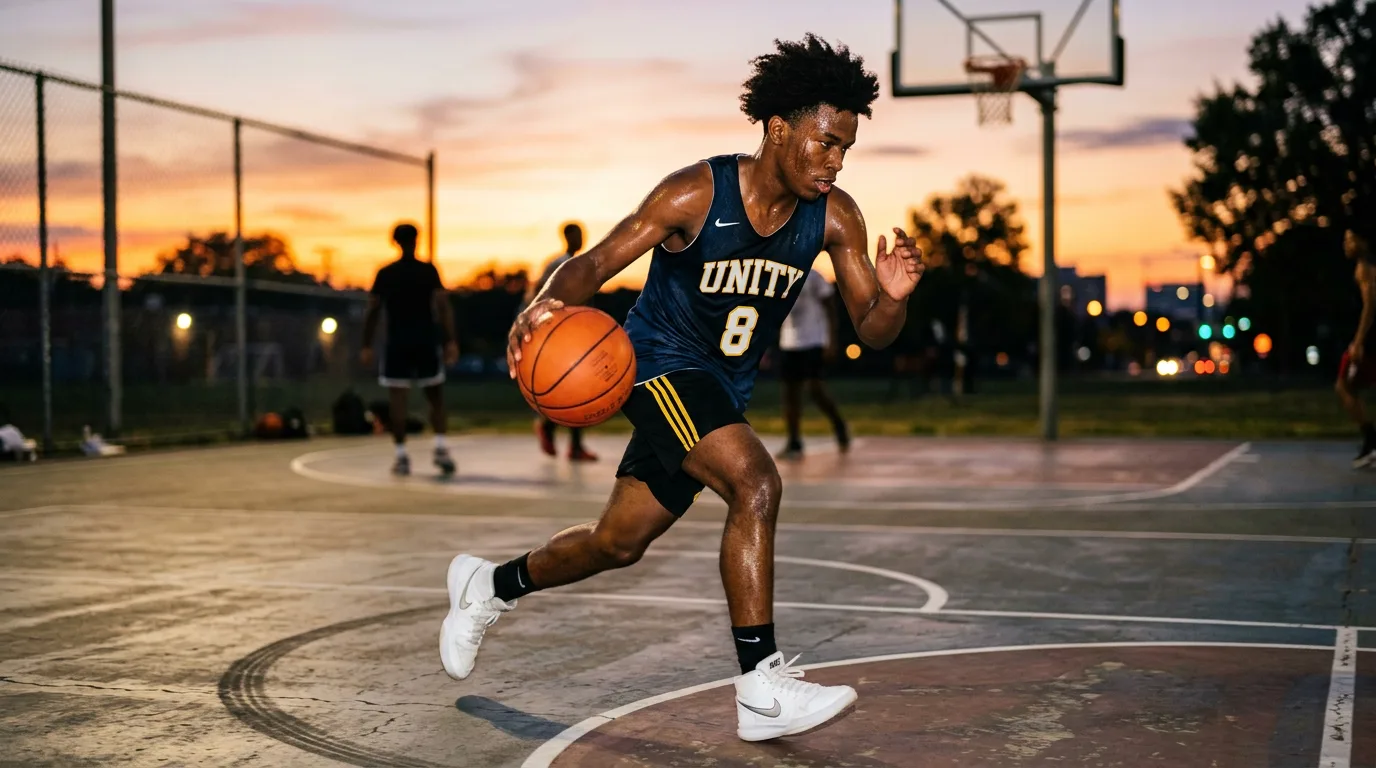
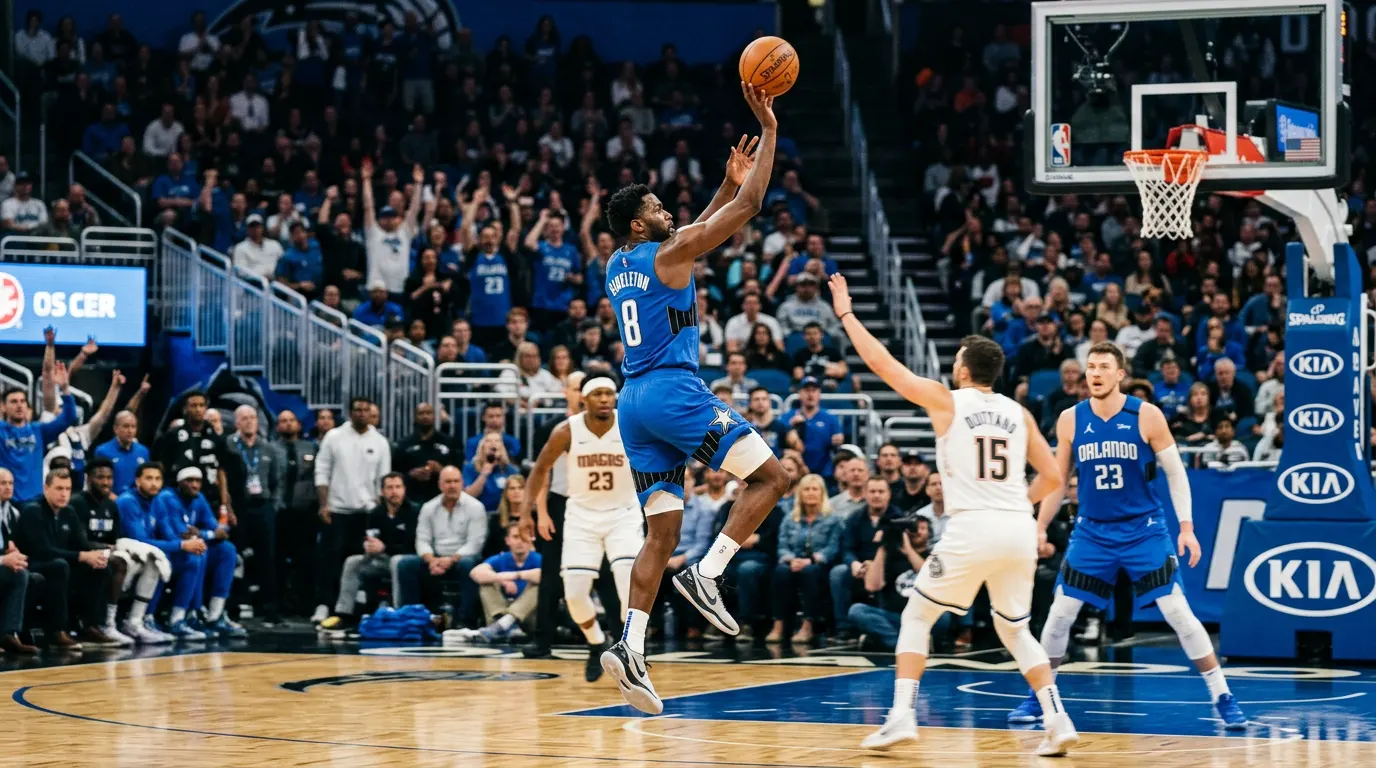
A young perimeter player may have excellent shooting and driving skills, but without the ability to read defense and make the right decision at the right moment, these skills turn into random attempts. Reading defense is what transforms individual skill into effective performance that serves the team.
In this article from Apex Sport Academy we present a simplified model for reading defense for youth perimeter players, through 1v1 and 2v2 situations, and how to turn these reads into clear decisions between shooting, passing, and driving.
Mind before movement
The right decision from the perimeter equals a complete successful offense even without extraordinary skills.
Simple Principles for Reading Defense for Youth Perimeter Players
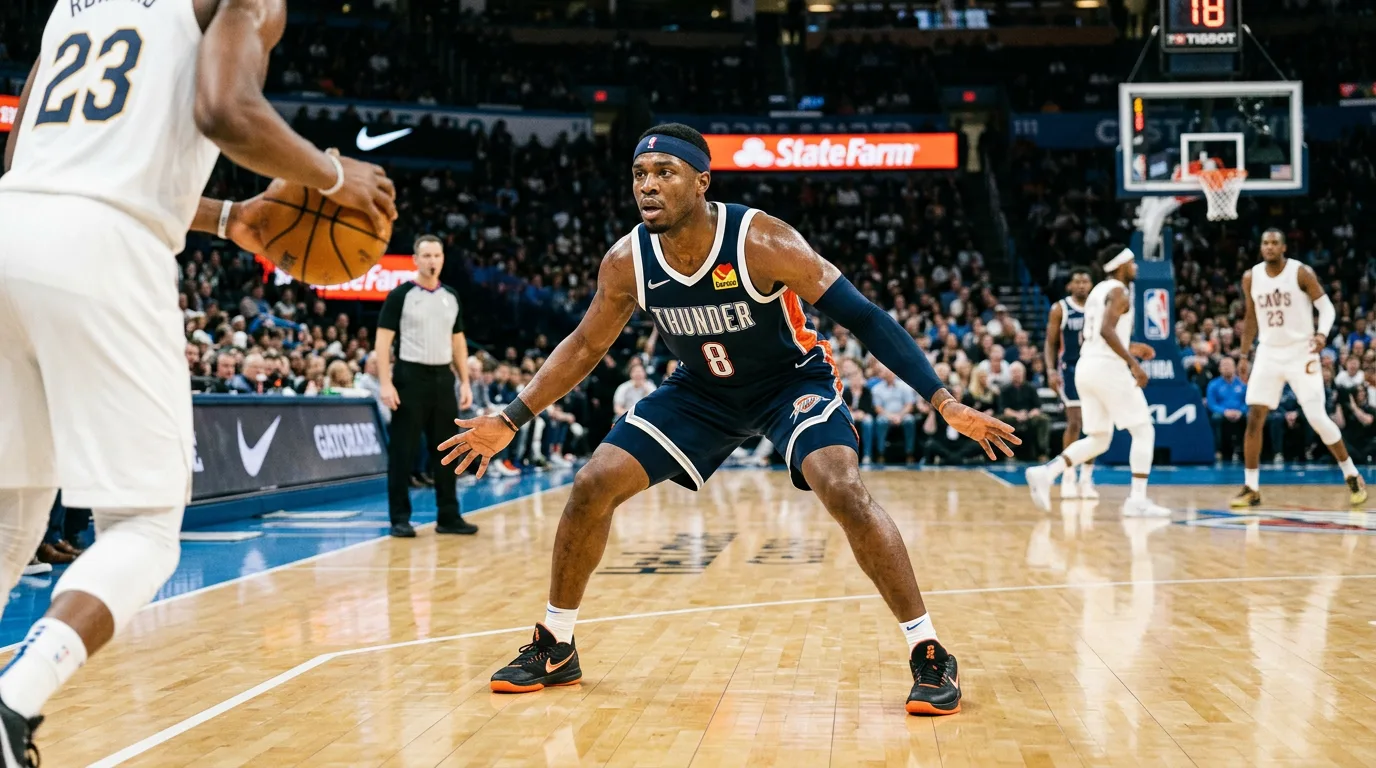
The player in youth age groups doesn't need a complete dictionary of complex defenses, but rather a set of simple visual cues they connect to specific decisions. We use questions with young players such as:
- Is the defender too close or giving you space to shoot?
- Is there a help defender waiting inside the arc or is the area empty?
- Is your teammate on the weak side completely open or heavily guarded?
These questions turn into "decision rules" the player reviews in their head quickly with the repetition of situations in training and games.
A Practical Decision Model: Shoot, Pass, or Drive?
To simplify reading for young players, we use a three-part decision model illustrated in a simple diagram:
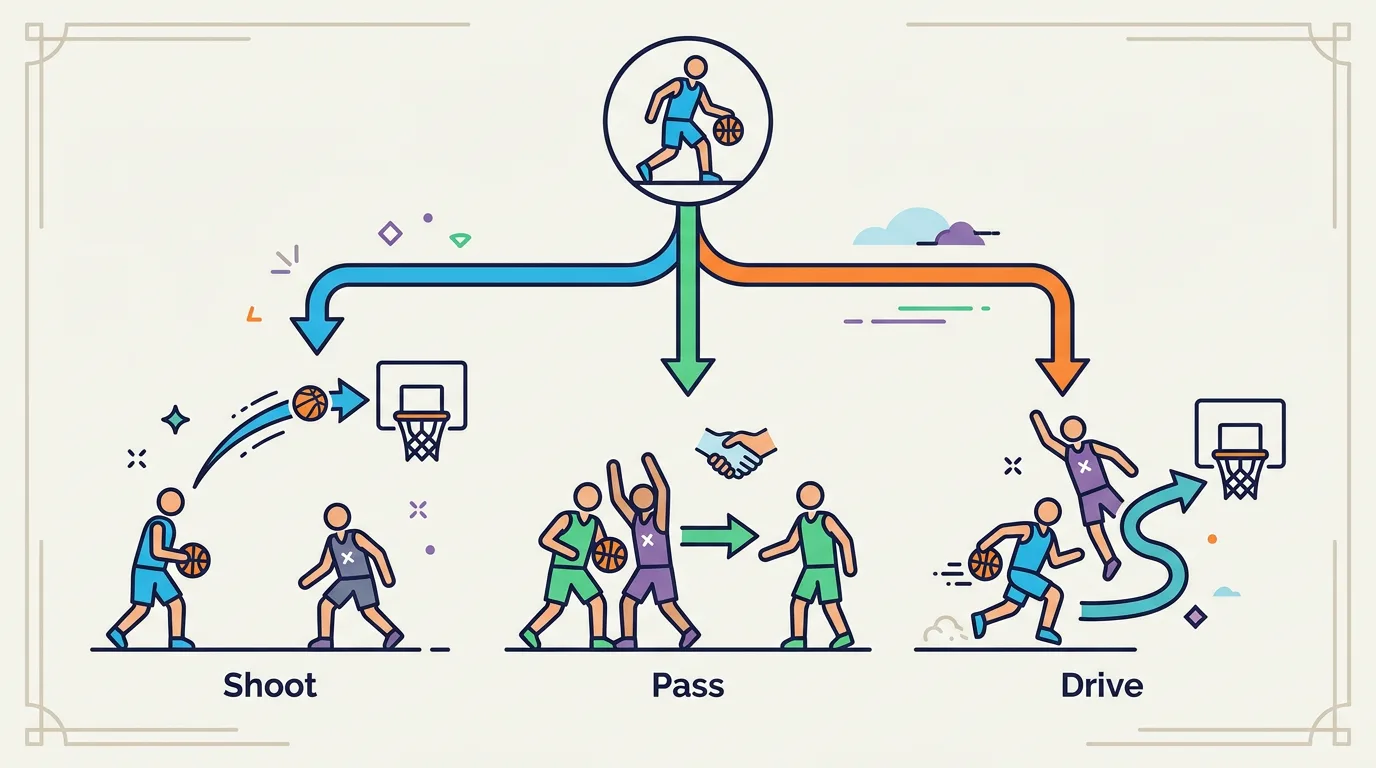
The core idea:
- If the primary defender is far away and there is no nearby help, shooting is the first decision.
- If the defender is pressing you hard while your teammate on the weak side is open, passing is the first decision.
- If the defender made a mistake in closing the distance or went in the wrong direction, driving is the first decision.
1v1 and 2v2 Drills for Teaching Basic Reads
The best way to reinforce the decision model is 1v1 and 2v2 situations with clear rules for the defender and attacker. We use for example:
- 1v1 from the perimeter with a time limit: The player has only 3 seconds to make a decision after receiving the ball.
- 2v2 with a help defender: The player learns when to pass to the weak side when help comes.
Using Video and Simple Feedback with Young Players
Video is a powerful tool when used wisely. We don't show young players dozens of clips, but choose a few clear situations that focus on one or two decisions from the perimeter, and ask a simple question: "What else could you have done?"
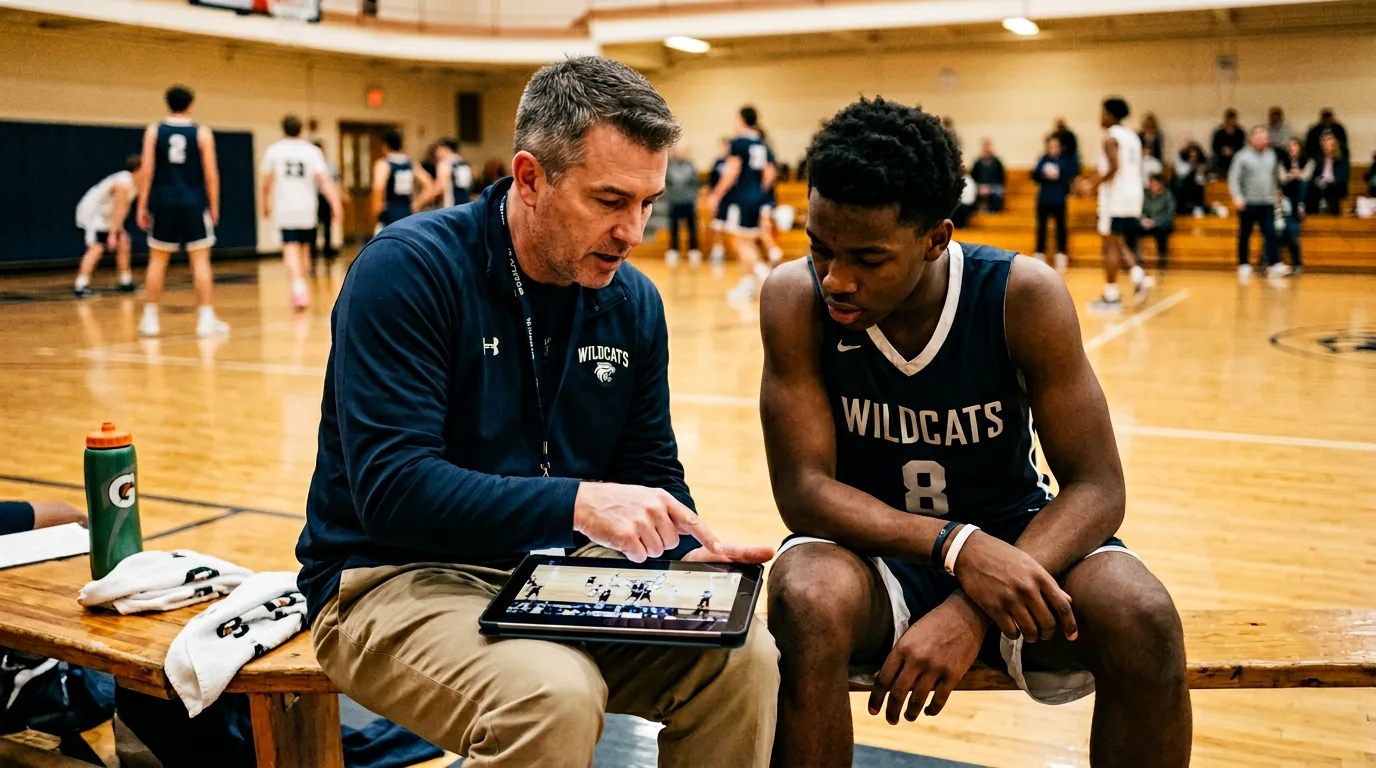
Principles for Using Video with Youth Players
- Choose short, clear clips rather than analyzing a full game.
- Focus on one behavior (shooting or passing decision) in each session.
- Involve the player in the analysis by asking their opinion before giving the answer.
Recurring Mental Mistakes in Youth Perimeter Players and How to Correct Them
A large part of perimeter player decisions is not only related to what the player sees, but to what they feel: fear of mistakes, the desire to be the "hero," or tension from the coach's reaction. Common mistakes include:
- Refusing an open shot after one or two consecutive misses.
- Insisting on driving despite obvious defensive help.
- Getting rid of the ball quickly out of fear of responsibility.
Correcting these mistakes requires calm communication from the coach, and repeating messages such as: "The right decision is more important than the individual result," and "We will evaluate your decision before evaluating whether the ball went in or not."
Notice Regarding Placing Mental Responsibility on Young Players
Teaching decisions and defensive reads to young players must take into account their ages and concentration limits. Excessive complex instructions during games, or punishing the player for every decision, may lead to counterproductive results of hesitation and fear. It is better to choose one or two principles to focus on at each age stage, and measure progress on them only.
Conclusion: A Perimeter Player Who "Understands the Game" Is More Valuable Than One Who Only Has Skills
In the end, what distinguishes great perimeter players is their ability to see what others cannot see at the same moment: where is the defender? Where is the help? Where is the open teammate? When we plant these questions in the young player's mind from the early stages, their development at higher levels becomes faster and more stable.
At Apex Sport Academy we believe that building a player who "understands the game" starts from simple and repeated decision drills, not long lectures. Every 1v1 situation, every 2v2, and every video clip is an opportunity to strengthen this mental muscle in the young perimeter player.