Perimeter Player Fundamentals: How to Build a Strong Foundation for Youth Basketball Players
Before thinking about the number of three-pointers scored or statistics, a young perimeter player needs a solid foundation of balance, footwork, ball control, and court vision. These elements determine the ceiling of their development later, regardless of the tactical system or level of competition.
In this guide from Apex Sport Academy we map out a clear path for coaches and parents to build the perimeter player foundation for players aged 10 to 18, with examples of practical drills that can be used within training sessions and across seasons.
Strong foundation before the details
A perimeter player who understands their body and court develops faster than a player who only memorizes moves.
The Perimeter Player's Identity and Role in Modern Basketball
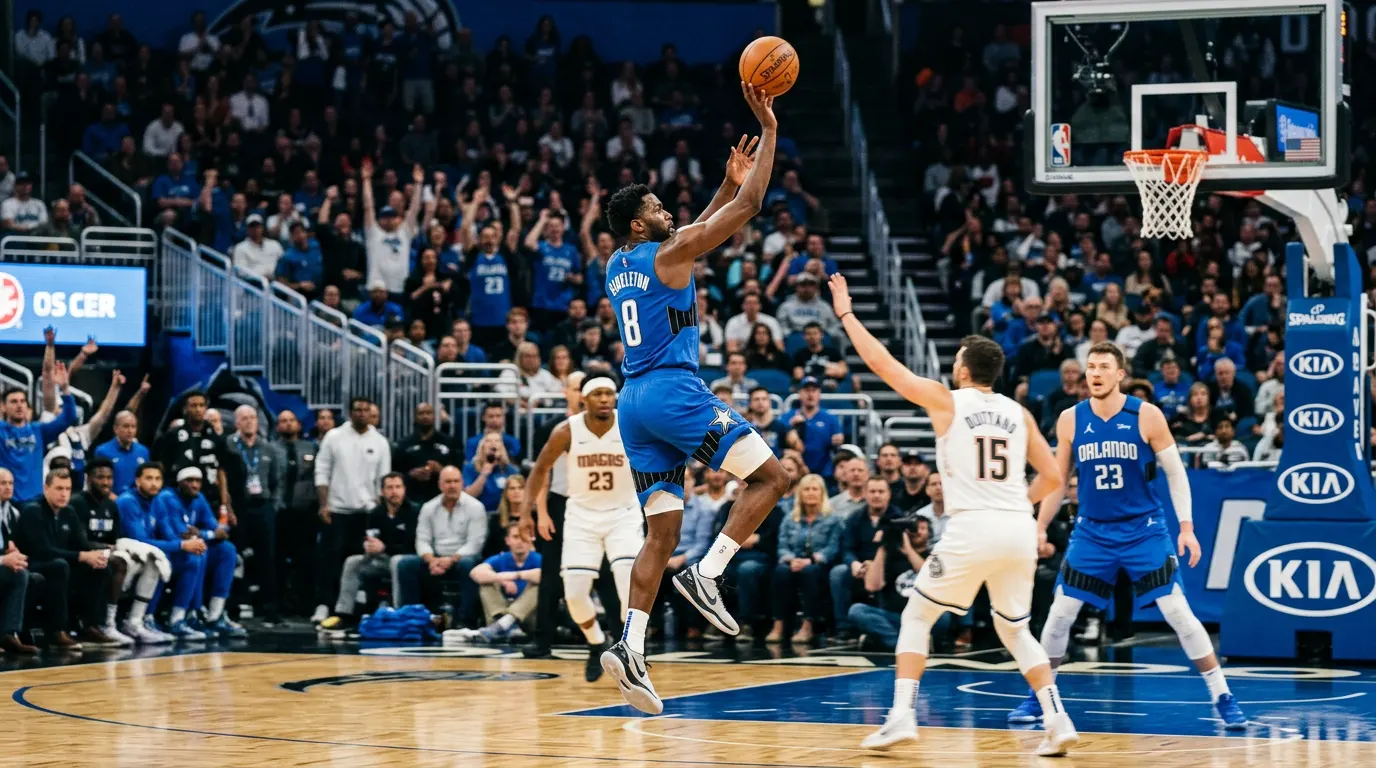
The perimeter player is no longer just a "shooter" waiting for the ball on the line, but a complete decision-maker who moves between the corner, wing, and top of the arc, reads defense, threatens with shooting, and creates space for teammates. This complex role must begin with a simple and clear definition for the young player: what are their responsibilities when they have the ball, when they lose it, and when they move without it.
In youth age groups, the academy focuses on three key messages for the perimeter player:
- Constant threat: Even if you don't shoot every possession, you must always look ready to shoot or drive.
- Reading space: Understanding when to move away to open the court, and when to come closer to create a passing triangle.
- Defensive discipline: The perimeter player is the first line of front defense against the ball in fast breaks.
Balance and Footwork: The Starting Point for Every Skill
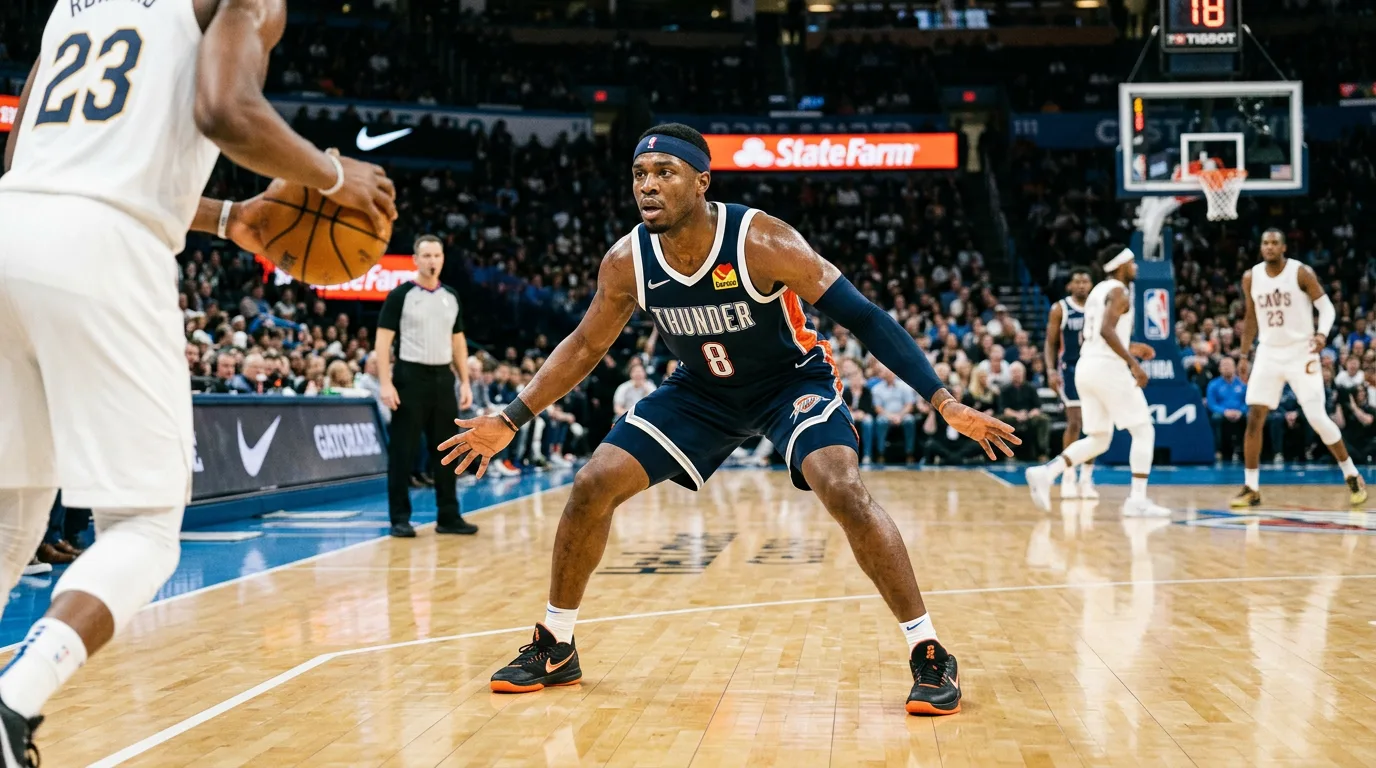
A perimeter player cannot read defense or execute a shot under pressure if their body is unstable. So we always start by building the "perimeter player stance": foot width, weight distribution, low center of gravity, and the ability to change direction without losing balance.
In the first sessions we use simple drills without the ball to teach:
- Transitioning from normal standing to the playing stance in less than a second.
- Lateral movement (Slide) with short controlled steps without feet touching.
- Sudden stopping after a short run while maintaining an upright torso and not letting the head fall forward.
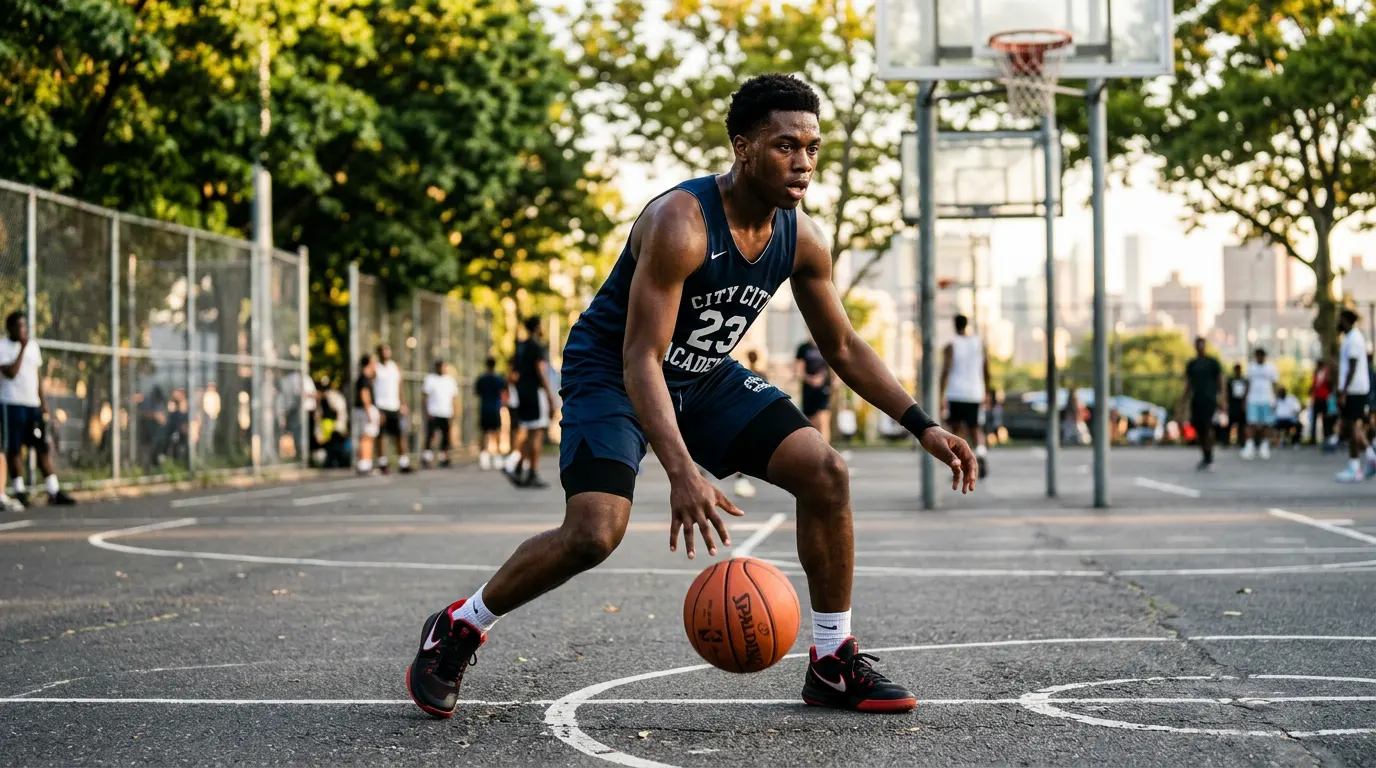
Sample 10-minute footwork and balance drill segment
- 2 minutes of quick transitions from line to line in playing stance with a direction-change whistle.
- 4 minutes of lateral movements with short steps with a sudden direction change every 3–4 seconds.
- 4 minutes of short runs then stopping at specific points with focus on stable feet and no sliding.
Ball Control Under Pressure and in Tight Spaces
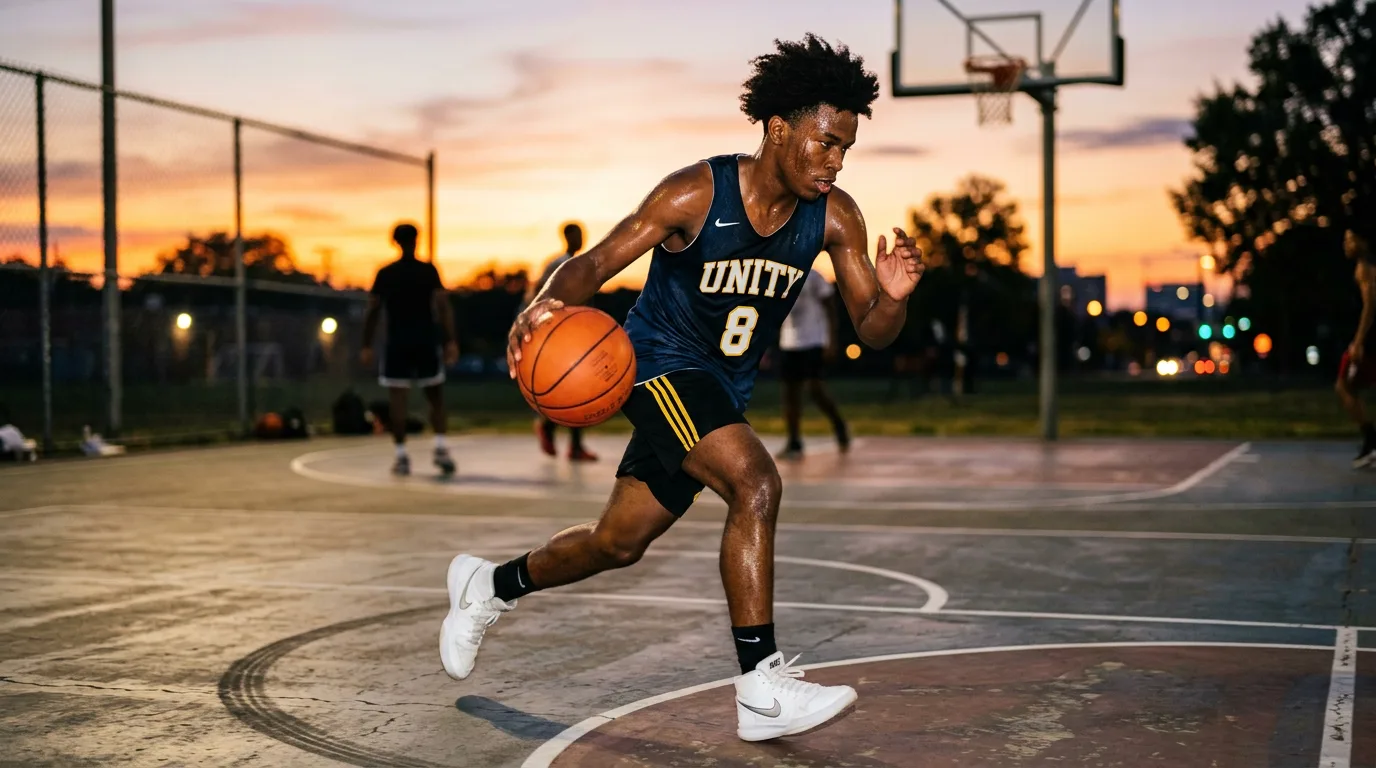
A perimeter player doesn't need to "show off" in dribbling, but rather a practical ability to protect the ball, change direction quickly, and use both hands flexibly while keeping their head up. We teach young players that the goal of ball control is to keep the decision available for as long as possible, not to waste time.
We divide ball control drills into three phases:
- Phase without defensive pressure: varying height and speed and switching hands.
- Light pressure phase from a "phantom defender" or coach using a stick/foam.
- 1v1 phase in a limited space with a clear goal (reaching a line or a specific pass).
Court Vision and Simple Decision-Making for the Young Perimeter Player
At age 12–16 we don't need to load the perimeter player with dozens of complex reads, but rather a set of simple principles they can repeat under pressure. The academy uses a three-part decision model: shoot – pass – drive built on defender distance and teammate support.
An example of a simple rule we use with young players:
- If the defender is more than two arm-lengths away and the ball is ready, think about shooting first.
- If the defender is close and the player sees an open teammate on the weak side, pass immediately.
- If the defender is in an unbalanced position or jumped on a fake, exploit the drive into the paint.
Sample 60-Minute Training Session for Youth Perimeter Players
Numbers can be adjusted based on the number of players and fitness level, but the following breakdown reflects how we work at Apex Sport Academy with perimeter player groups:
Part 1: Warm-Up and Balance (15 minutes)
- 5 minutes of progressive running and joint movements.
- 5 minutes of perimeter player stance and lateral movements.
- 5 minutes of sudden stops and direction changes without the ball.
Part 2: Ball Control (15 minutes)
- Drills varying height and speed with both hands.
- Dribbling in tight paths with sudden direction changes.
- Dribbling under light pressure from the coach or a teammate.
Part 3: Simple Game Situations (20 minutes)
- 2v2 situations on the side of the court with focus on decision-making.
- 3v3 play from stationary positions with specific touch limits per player.
Part 4: Free Play and Cool-Down (10 minutes)
- Short 4v4 or 5v5 game with specific instructions for perimeter players.
- Cool-down and stretching exercises with positive reinforcement after the session.
Important Notice for Coaches and Parents
The information in this guide is of a general educational nature and is not a ready-made individual program for every player. The player's age, health history, and basketball background must be considered before applying any part of the suggested sessions. In the case of previous injuries to the knee, ankle, or back, it is recommended to consult a doctor or physical therapist before adding new loads.
Conclusion: A Strong Perimeter Player Starts from the Foundation, Not the Line
When we focus with young perimeter players only on the "shot," we build one skill on a fragile foundation. But when we give enough time to balance, footwork, ball control, and court vision, we create a player who can adapt to any tactical system and any league they play in later.
At Apex Sport Academy we believe that investing in these fundamentals in the early years saves the player and coach years of correcting mistakes later. Start from the foundation, and the shot, points, and statistics will come as a natural result of this building.