Youth Perimeter Shooting: Correct Mechanics and a Training Progression from Basics to Pressure
Perimeter shooting is the modern perimeter player's weapon, but building a real "shooter" starts with correct mechanics before volume. Relying on quantity alone without a clear foundation exposes the player to injuries and creates habits that are difficult to correct at advanced levels.
In this guide from Apex Sport Academy we present a model for teaching perimeter shooting to players aged 11 to 18 through progressive stages: from stationary shooting, to shooting after movement, then under defensive pressure, with practical benchmarks for measuring quality.
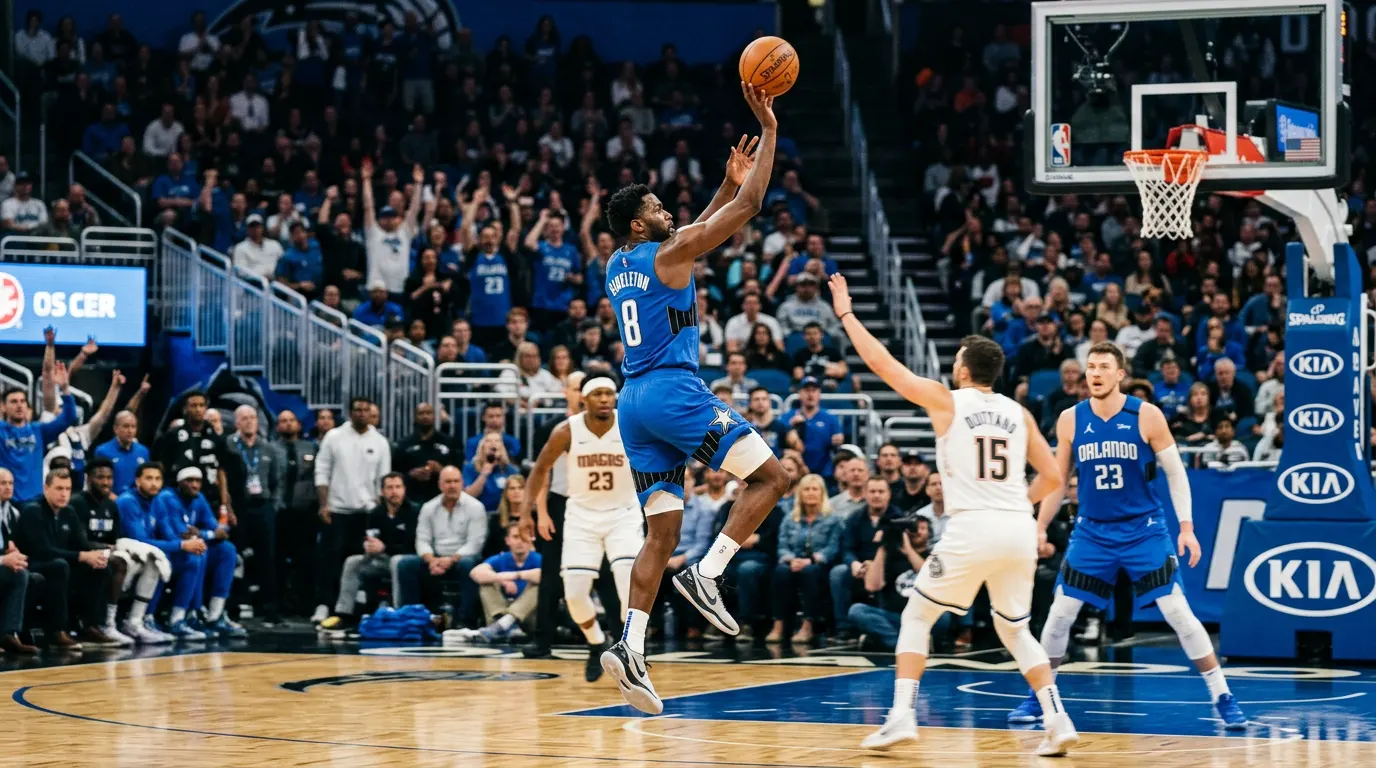
Quality first, then quantity
Every shot with a balanced body is better than dozens of incorrect shots.
Shooting Mechanics Principles for Youth Perimeter Players
The goal in youth age groups is not to "copy" a specific professional player's mechanics, but to reach a balanced and repeatable model that suits the player's height and build. We focus on four key points:
- Base: Foot width and the power path from the ground to the fingertips.
- Alignment: The relationship of the shoulder, elbow, and wrist with the basket line.
- Release: Timing of the full extension of legs and hands together.
- Follow-through: The shape of the hand after the shot and its stability for a fraction of a second.
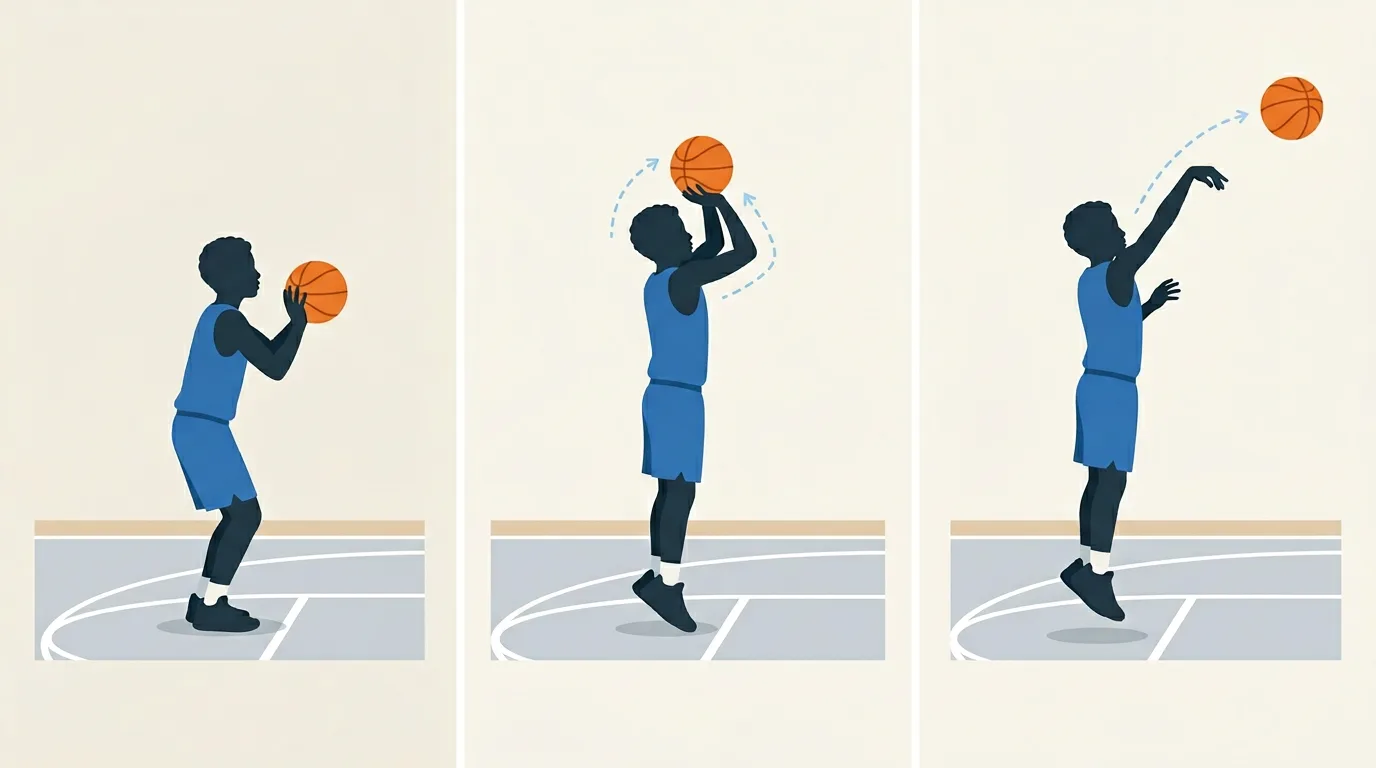
Adjusting Feet and Release: Common Errors and How to Correct Them
Most shooting problems with young players don't start from the hand, but from the feet and torso. Lateral leaning, weight resting on the heels, or lack of synchronization between legs and arms are all factors that lead to an unstable shot even if the hand shape is good.
Two examples of common errors and correction steps:
- Error: The player lands forward after the shot two or three steps toward the basket.
Correction: Use "shoot then freeze" drills; the player is asked to stay in place after the follow-through for two seconds, which forces better balance during release. - Error: The elbow visibly goes out to the side, causing the ball to come out in an unstable arc.
Correction: Use lighter balls and start from a very close distance, focusing on a straight path with the guide hand as a support only without pushing.
From Stationary Shooting to Shooting After Movement and Receiving the Ball
The common mistake is jumping quickly from stationary shooting to complex situations after a dribble or cut without going through intermediate stages. The academy uses a clear progression series:
- Stationary close: Shooting from a very short distance (inside the arc) without foot movement.
- Stationary from the perimeter: Same mechanics but from the three-point line without defense.
- Stationary catch: Adding a pass from a teammate with feet set before receiving.
- Catch from a simple cut: Short cut from the corner to the wing then catch and shoot.
- After a short dribble: One or two dribble steps then shooting from the perimeter.
Building a Training Progression for Shooting Under Defensive Pressure
Shooting under pressure is not just having a defender raise their hand, but an interaction between speed, decision, and the ability to maintain mechanics under tension. We work with young players to introduce pressure gradually:
- A "late" defender who comes out late on the shot to get the player used to the feeling of space.
- A defender who closes the distance at the last moment with a focus on maintaining hand follow-through.
- 2v2 situations where the player is forced to decide between passing and shooting within two seconds maximum.
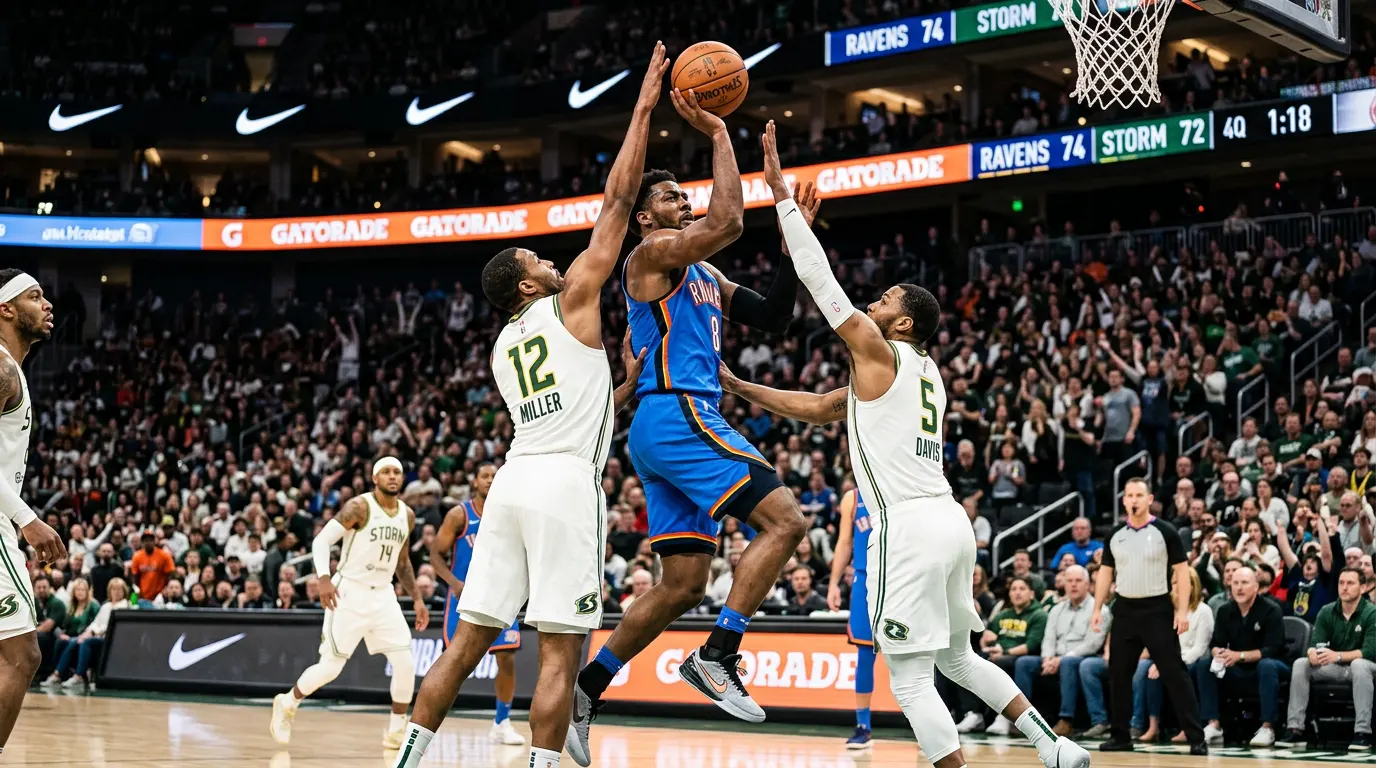
Shooting Quality Benchmarks for Players Aged 10 to 18
Expected success rates vary by age and experience, but the most important thing is to monitor the trend across the season rather than a single number in a single test. The coach can use a set of simple benchmarks:
- Consistency of mechanics across the first 10–15 shots at the start of each session.
- Open shooting percentage (without pressure) from preferred spots around the arc.
- The player's ability to maintain the same quality after fatigue at the end of the session.
- The player's willingness to adjust their errors after watching video or receiving coach feedback.
Notice Regarding Training Load and Joint Safety
Any intensive shooting program must take into account the player's age, number of weekly sessions, and the level of muscular strength around the knee and shoulder. Excessive daily shots without adequate rest periods or without technical supervision from a qualified coach may increase the risk of long-term injuries.
If the player complains of persistent pain in the shoulder, wrist, or knee, loads should be temporarily stopped and a medical specialist consulted before resuming the program, with adjustments to the load volume and exercise types according to recommendations.
Conclusion: Building a Young "Shooter" Is a Systematic Responsibility, Not Chance
Youth perimeter shooting is not just a matter of "natural talent," but the fruit of systematic work that combines correct mechanics, progressive loads, and the mental courage to make the right decision under pressure. When the player understands why they train this way, they are more committed and less afraid of mistakes.
At Apex Sport Academy we believe the best service we can provide to a young perimeter player is giving them clear tools to read themselves and their shot, with a training path that can be measured across the season. This way, perimeter shooting becomes a natural part of their identity as a player, not a passing skill whose numbers rise and fall without explanation.